

Dublin is ...
... funny, friendly, cheerful
... very expensive
(At least that's what many people told us - well, we can at least partially revise THAT -
see Madigan's)
Never have we agreed so much that we would come back to a holiday destination again, But when it came to Dublin it was clear to both of us: We definitely have to go here again (and this feeling persisted even after a few days).
What was it that made us make this statement? Well, where should I start?
Our favorite pub?
The fun and friendliness of the people?
The pedestrian areas with many original shops beyond the omnipotent chain stores in the German towns?
Ancient buildings and other sights?
It is the wonderful mixture of all these factors that created the overall picture.
Gaelic is still present everywhere here - All signs are written bilingual and also in the conversations I could often recognize Gaelic from the people.
Since we used a lot... okay: A LOT of text for Dublin and didn't want to scare you off, we have collapsed the individual topics - you can expand them if necessary 😉
 Mehr lesen
Quite a modern airport, where you can navigate with ease.
Currency exchange? Not needed, of course, since Ireland (as you hopefully know) is an EU member — payments are made everywhere in euros.
But be careful: remember to bring a power adapter. There are a few Euro sockets, but it’s best not to rely on them.
We decided not to take the bus with our luggage into the city centre. Instead, we took a €21 taxi (plus tip) — and it was definitely worth it!
Why? A bus ride would have cost €7 per person — €14 in total. For just €7 more, we were quicker and more relaxed at the hotel.
And: right at the taxi rank, we were greeted by an extremely friendly person with a cheerful "Hi guys!" — perfect start! 😉
Mehr lesen
 The Castle Hotel in Gardiner Row
https://www.castle-hotel.ie/
The name "Castle" had initially led us to believe the building was once an old castle – well… that wasn’t the case.
In fact, the name derives from the fact that the architect was a pupil of Richard Castle –
whoever that was… 😉
(Alright, I’m not that uncultured:
Richard Castle was one of the most prominent architects of the Georgian era.)
It is the oldest hotel in Dublin and has been welcoming guests since 1809.
The building was created by combining nine (!) Georgian residential units into a single cohesive hotel. To achieve this, several of the partition walls were opened up in places and fitted with passageways.
Since the street slopes slightly, there are some unconventional routes to the rooms. On her first attempt to find our room, Heike swore she didn’t have the thread of Ariadne with her. 😆
Our destination: Room 411 – watch for the directional signs:
(And hum the Benny Hill theme while you scroll…)
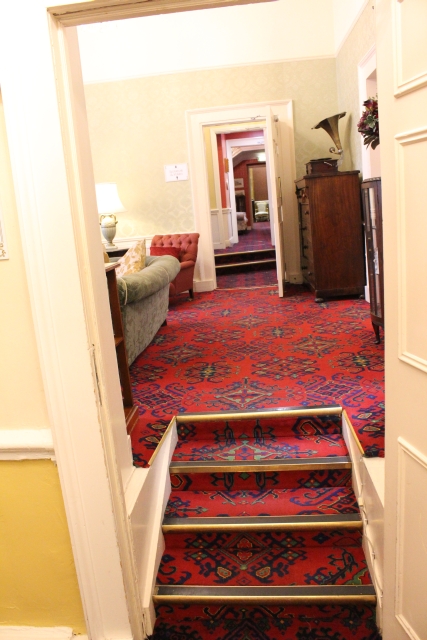
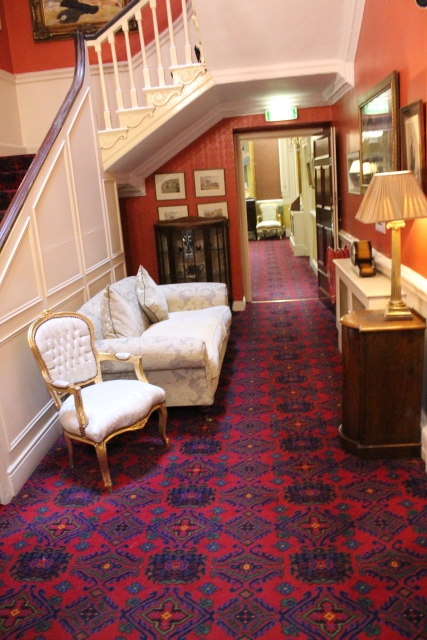
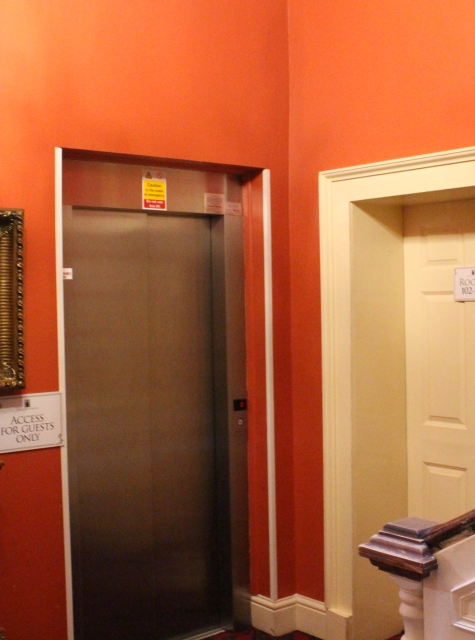
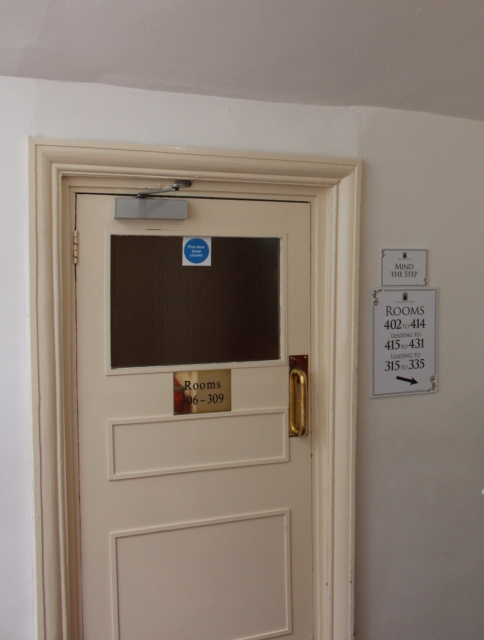
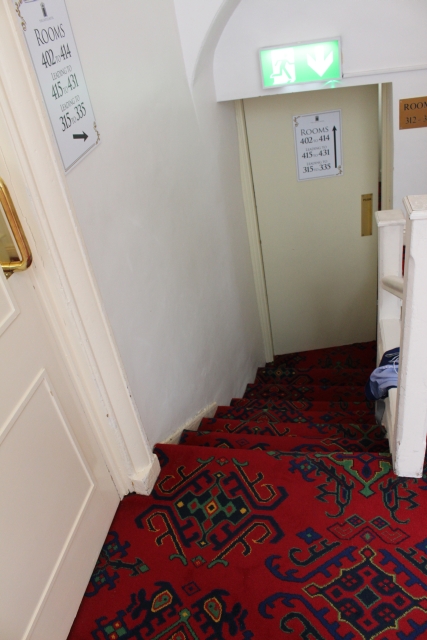
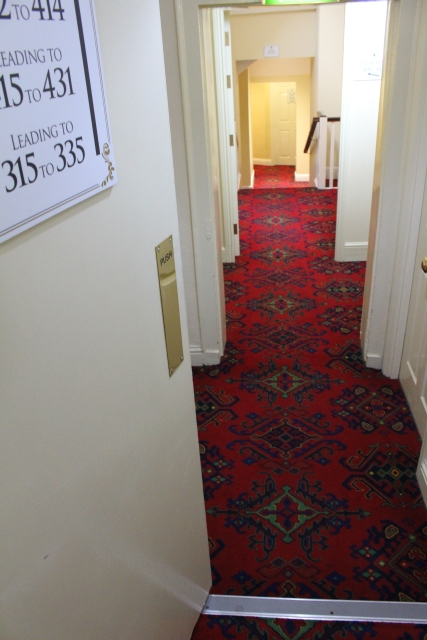
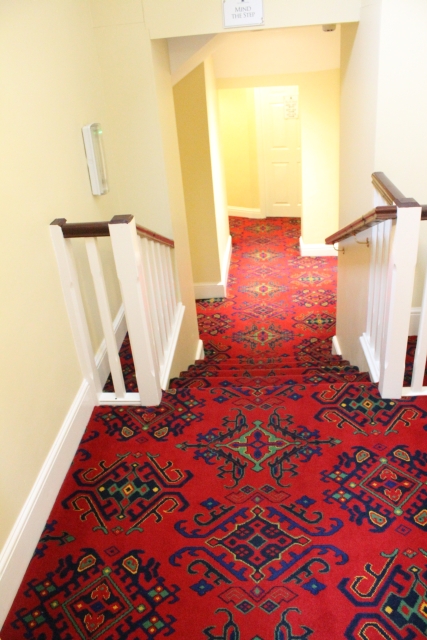
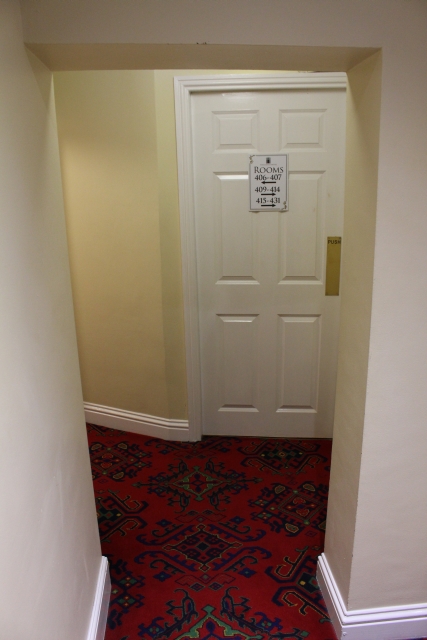
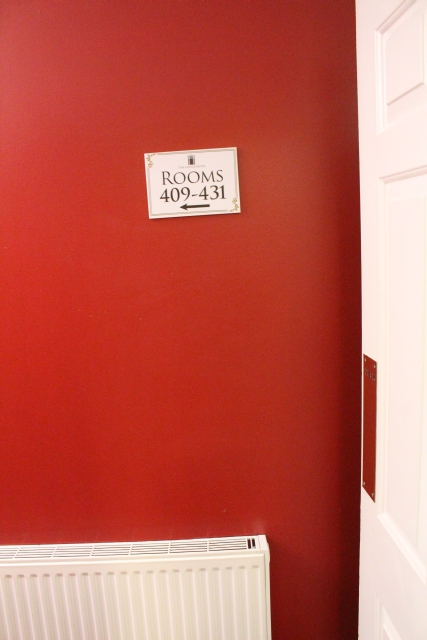
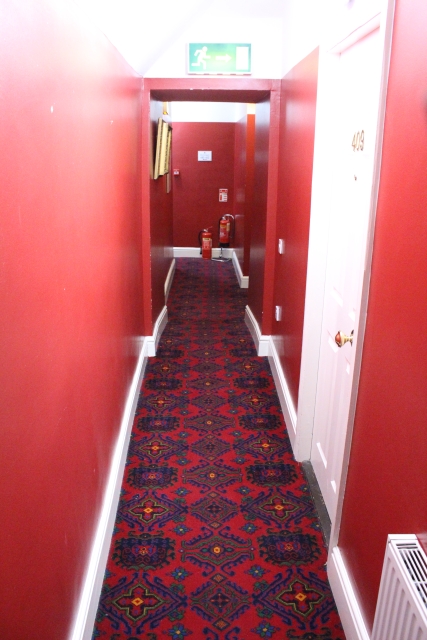
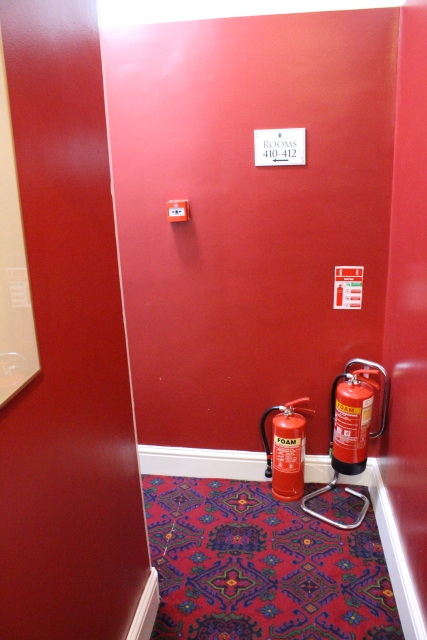
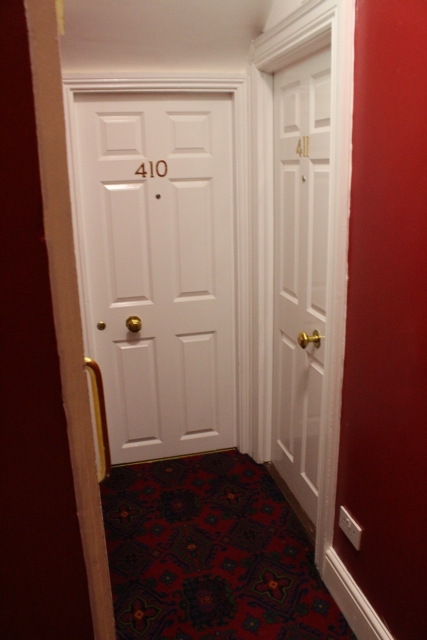
The hotel is within walking distance of the city centre (at least for us – but remember the 15 km per day in Budapest…).
It took us just under 10 minutes to get to Madigan’s – (only slightly longer than from reception to our room )😆
The hotel team was young, friendly and attentive. We were immediately given valuable tips on what to see in Dublin. We felt very well advised!
The entire hotel is furnished in an antique residential style – you almost feel transported back to the Georgian era.
In the public lounge areas, you’ll find old Chesterfield sofas, dressers with antique literature and floral carpets you can sink into. 😍
The windows? The original windows are still in place, but each room has been fitted with new windows in front, so there’s no single glazing.
It’s only at breakfast that you notice how many guests are actually staying here – or gather in the lobby in the morning for group outings.
Speaking of breakfast: You’ll find both the "Original Irish Breakfast" and cold cuts and jams. The hot components of the Irish breakfast are made to order – you tell the server what you’d like, and it’s freshly arranged. Everything else is self-service.
In the evenings you can dine downstairs in the Castle Vaults – although you should reserve in advance.
Afterwards, you can enjoy your beer or wine with live music in the "Old Music Shop".
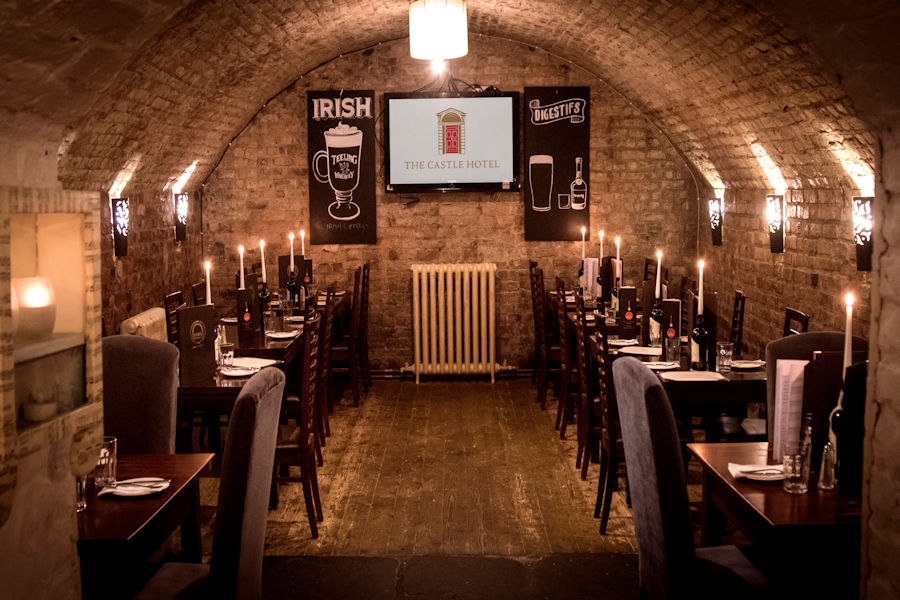
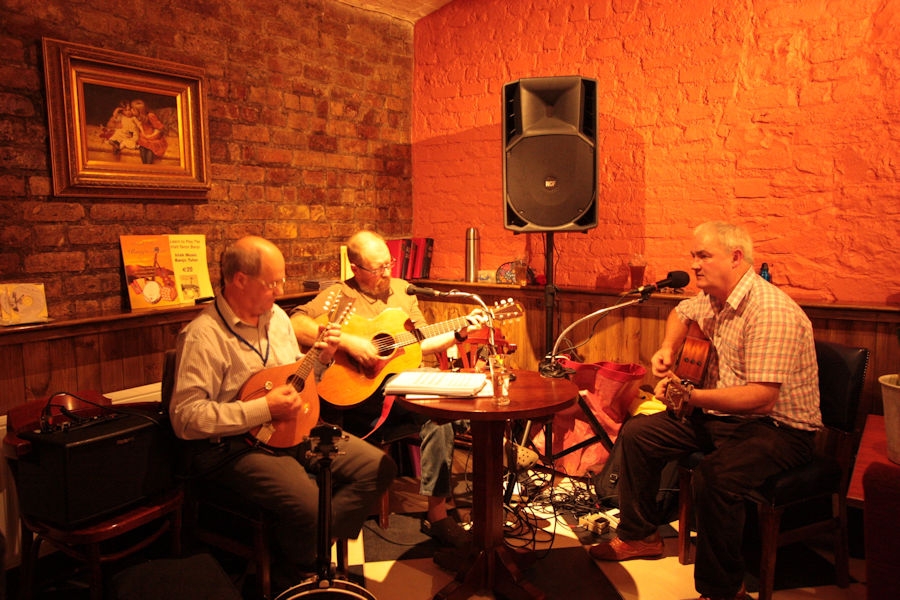
Conclusion: On our next stay in Dublin, we will stay here again!
Mehr lesen
Then the singer’s courtesy falls silent...
The Temple Bar district is regarded as Dublin’s entertainment quarter.
We went there – because they say it’s a must-see.
Quote from dublin.de:
Once a pleasure district of somewhat dubious reputation, the section between the Liffey and Dame Street was to be replaced by a bus station in the 1980s.
The city council then changed its mind and let the run-down area rise again as an artists’ and restaurateurs’ quarter.
Since then, Temple Bar has been known as ‘the’ party mile of the capital.
Temple Bar is a tourist stronghold, which shows up in the abundant live music in the pubs, but, unfortunately, also in the prices and the quality of the food in the restaurants.
You quickly notice: it’s all about big business in entertainment.
In the evenings and especially on weekends, when Temple Bar often hosts many stag parties, it gets loud―and I mean loud.
If the official site already warns that it can get loud – you can be sure: It will be LOUD!
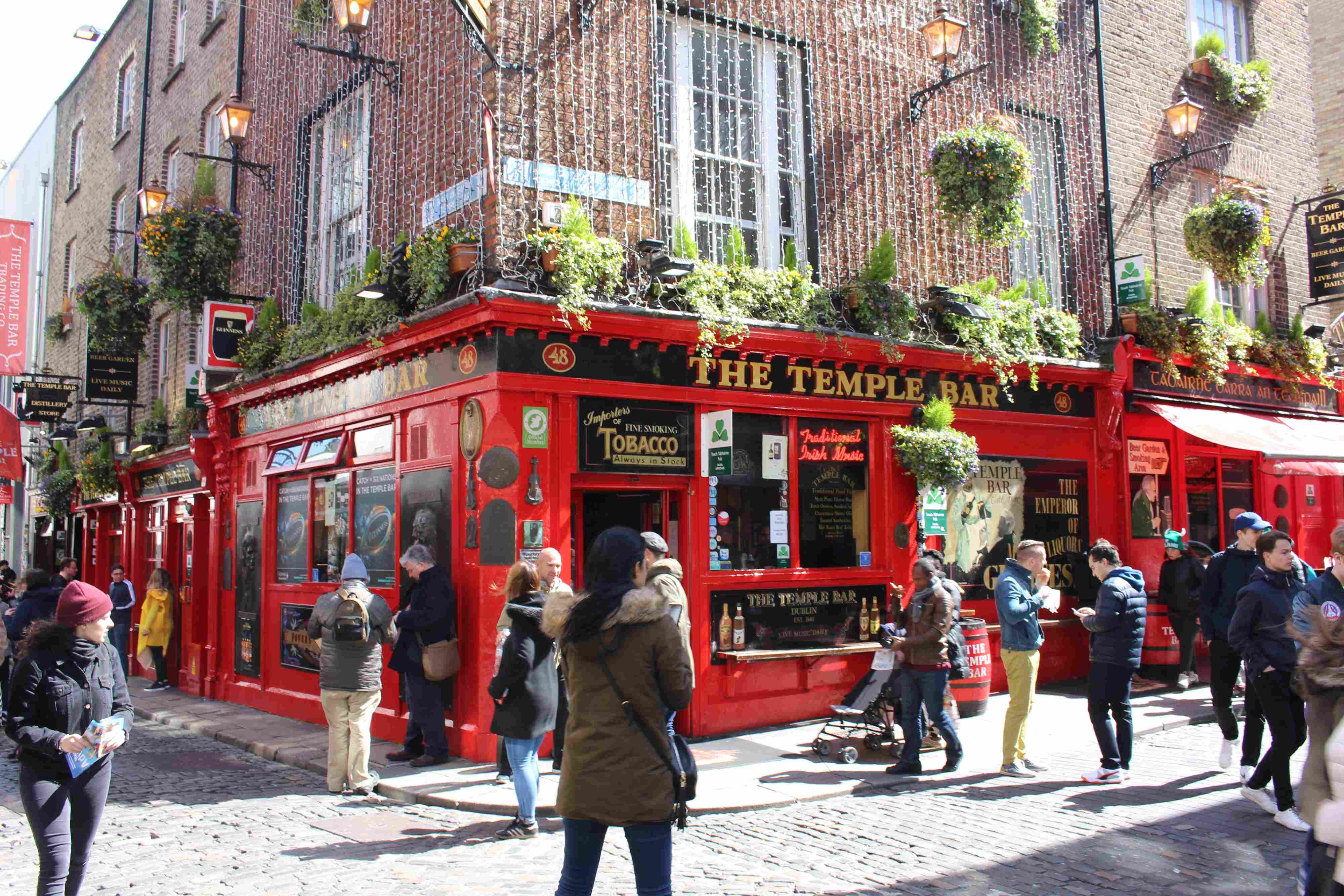
As described above, Temple Bar is a genuine tourist stronghold – with all the pros and especially the cons.
One could generously say it reminds you of the Schanze Famous party district in Hamburg's 80s in its heyday (unfortunately no Frankfurt equivalent comes to mind).
We were there on a Thursday afternoon and actually entered three pubs – but only for 10–20 seconds each!
The combination of stuffy stench, live music at an early hour at a volume that sends any hearing aid into auto-off mode, and the huge crowds where you could barely find space immediately activated our escape mode!
We wondered what it would be like here in the evenings or on a weekend – and… no! We didn’t even try to find out!
Field research concluded.
Of course there are cosy pubs in this district where you can enjoy your pint in peace – but on the main street (Fleet Street) they certainly aren’t among them!
It’s telling that Dave, the owner of our favourite pub and restaurant,
gave us tips on where to eat well but crossed out the Temple Bar area entirely on the map with the words:
"Don't go there!"
Now, finally
Mehr lesen
https://www.madigansearlst.com/
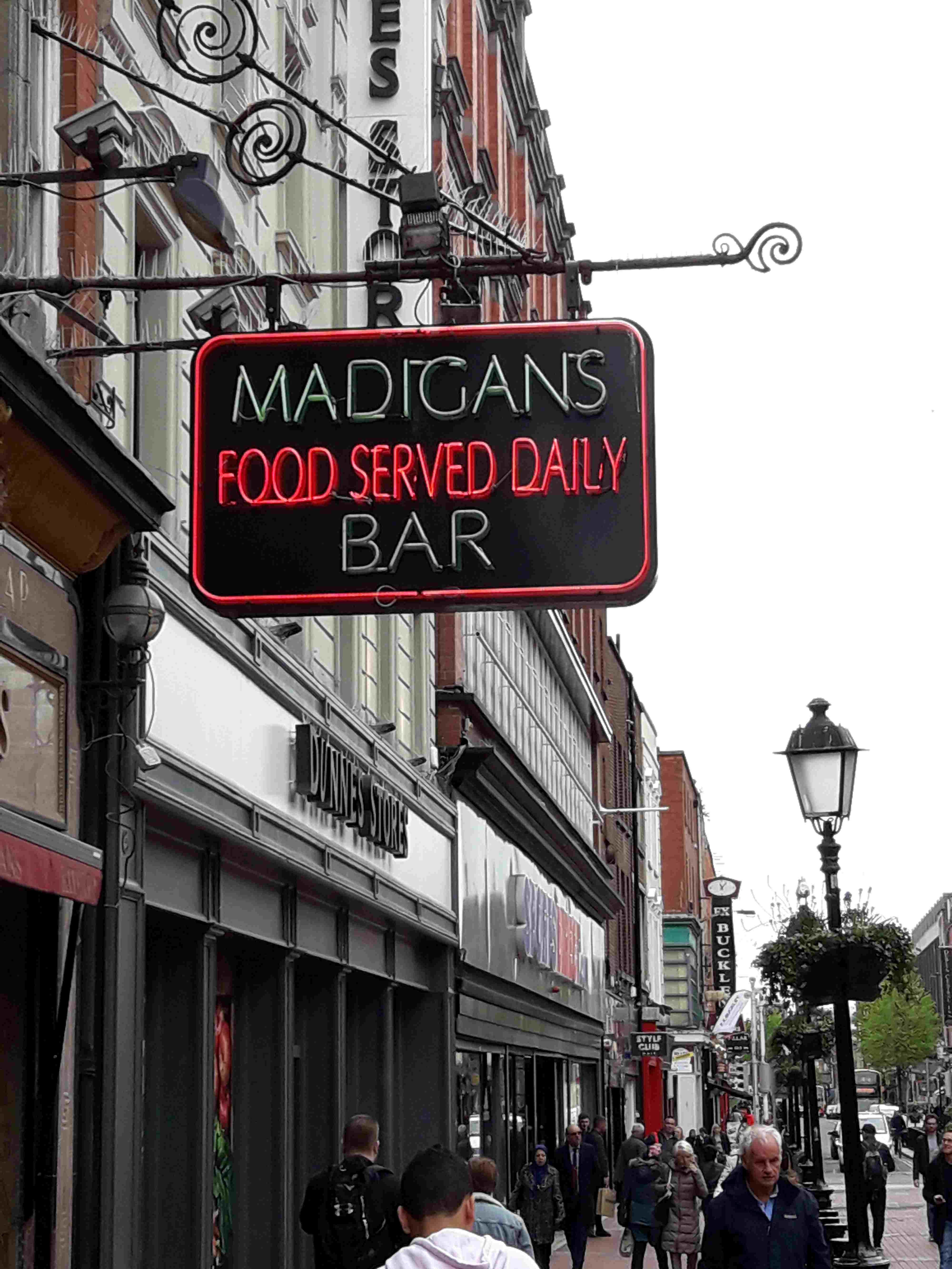
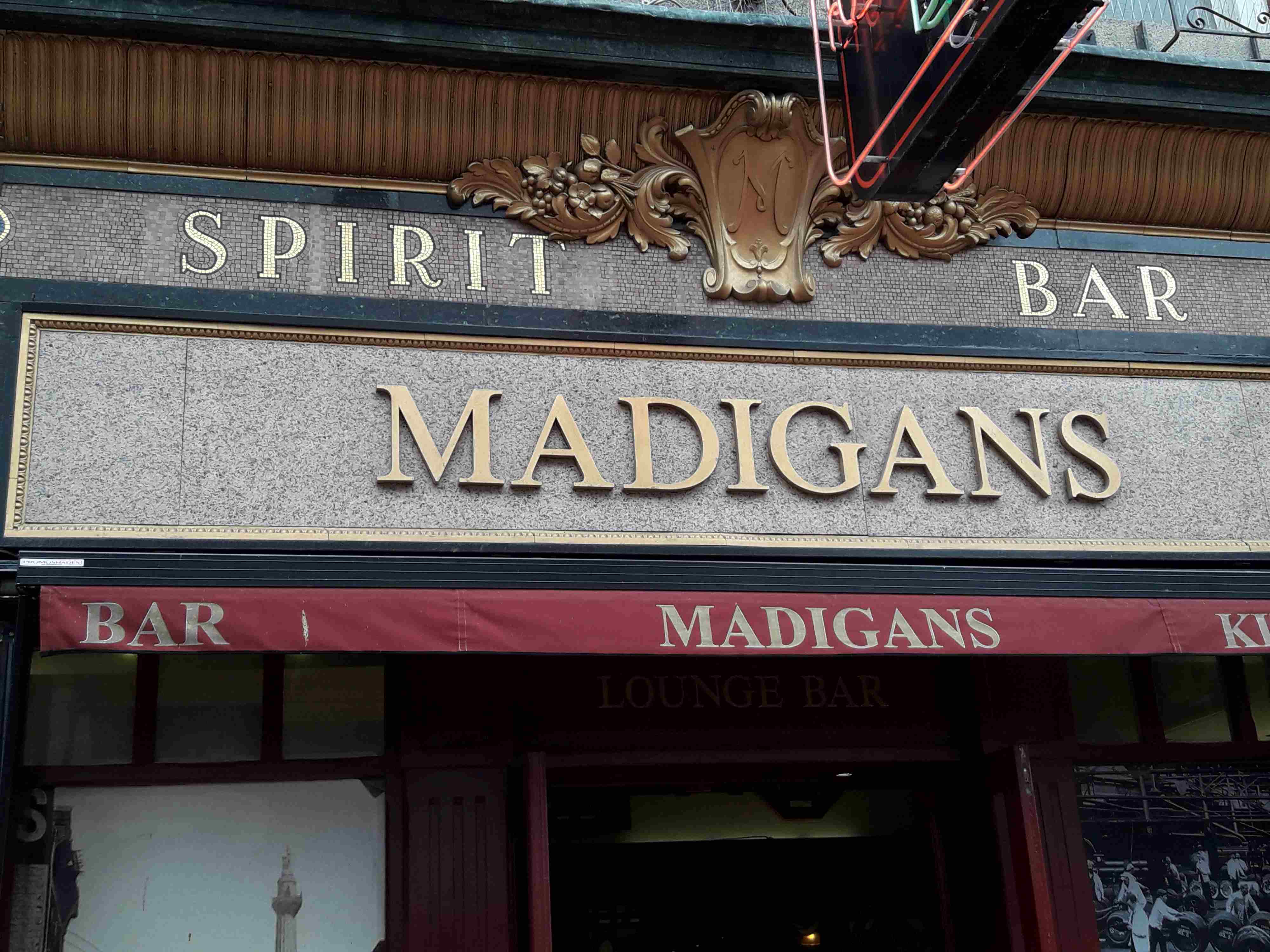
For us: THE PLACE TO BE!
Madigan’s comes unreservedly recommended!
All the stereotypes of Irish pub culture were positively confirmed here:
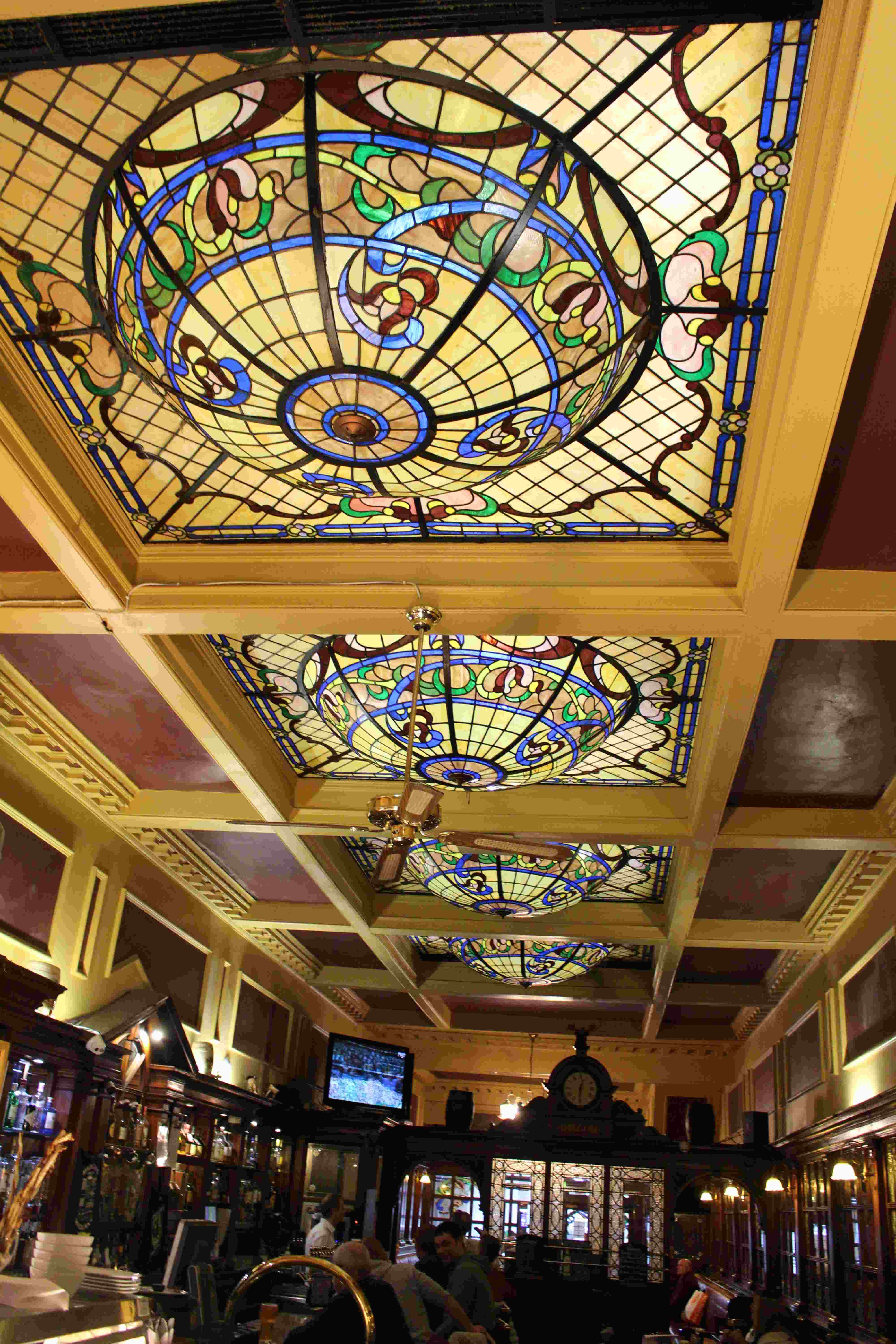
Rustic atmosphere, a fun-friendly service always attentive, hearty Irish fare, live music on Fridays and Saturdays, and a very mixed crowd: locals, tourists (we once sat between Swedes and Australians), young, old — everyone.
Most impressive was the atmosphere when Irish songs filled the room, especially those about the 1916 Rising. Singing along with the locals made it clear how deeply their history is felt and how the struggle for freedom is etched into the collective memory.
Despite this turbulent past, the Famine The Great Famine of 1845–1849 was caused by successive potato blights that destroyed Ireland’s staple food. The laissez-faire policies of the Whig government worsened its impact. One million people died — about twelve percent of the population — and another two million emigrated. Ireland has never fully recovered from this loss. and the former widespread poverty, the Irish remain a cheerful, life-affirming people who refuse to be beaten down.
From the second day on, we enjoyed a wonderful personal rapport with Dave, the manager, and his girlfriend Jacky, a native of Frankfurt. We laughed a lot, and the banter flew back and forth!
No wonder we parked ourselves here every evening! 😉
A special performance:
On a late Saturday afternoon, two elderly female regulars (estimated 80+) had their moment:
After plenty of liberating, euphoric libations, they treated us to Irish traditionals a cappella — true to Herbert Grönemeyer’s motto: "In search of the right tone." 😆
And yes: they were well-dressed, distinguished ladies simply having the time of their lives.
Later they even attempted YMCA, but quickly gave up — apart from the four letters, they knew no other lyrics! 😂
Back on home turf, they were back in their element with Molly Malone, swaying arm in arm toward the exit.
When one of them finally grabbed her walker, the applause from the other guests never stopped!
That’s the kind of joyfulness we hope to carry into old age!
Food:
Prices ranged from €9 (chicken goujons — breaded chicken strips) up to €16 for salmon and €20 for the Irish steak.
Chicken wings come in two sizes: 12 pieces without fries or 15 pieces with fries.
And let me tell you: these are not for the faint-hearted — they’re fiery hot! Even after the 12 pieces, my mouth was definitely on fire. 😆 Anyone who knows me — or my heat tolerance 🌶 — can imagine what landed on that plate!
And the flavour of every dish we tried — from Guinness stew and oven-baked salmon to traditional fish ’n’ chips — was simply fantastic!
(see also The Ultimate Dublin Diet by my dear wife)
Beer and Whiskey:
Beer prices ranged from €5.30 to €5.90 per pint, €6.30–€6.80 for a glass of wine.
Poured perfectly! Anyone who’s been to the UK or Ireland knows: the pint mark is just a guide — they fill the glass all the way up!
My Smithwick’s (pronounced "Smithix") cost €5.40 per pint, about €3.80 for 0.4 litres.
Whiskey was correspondingly pricier — but it’s no different in German pubs.
"Dublin is too expensive" — we can’t confirm that!
An important tip if you’re planning a visit (which we highly recommend!): there are three Madigan’s in Dublin
Public warning: extremely boring!
Mehr lesen
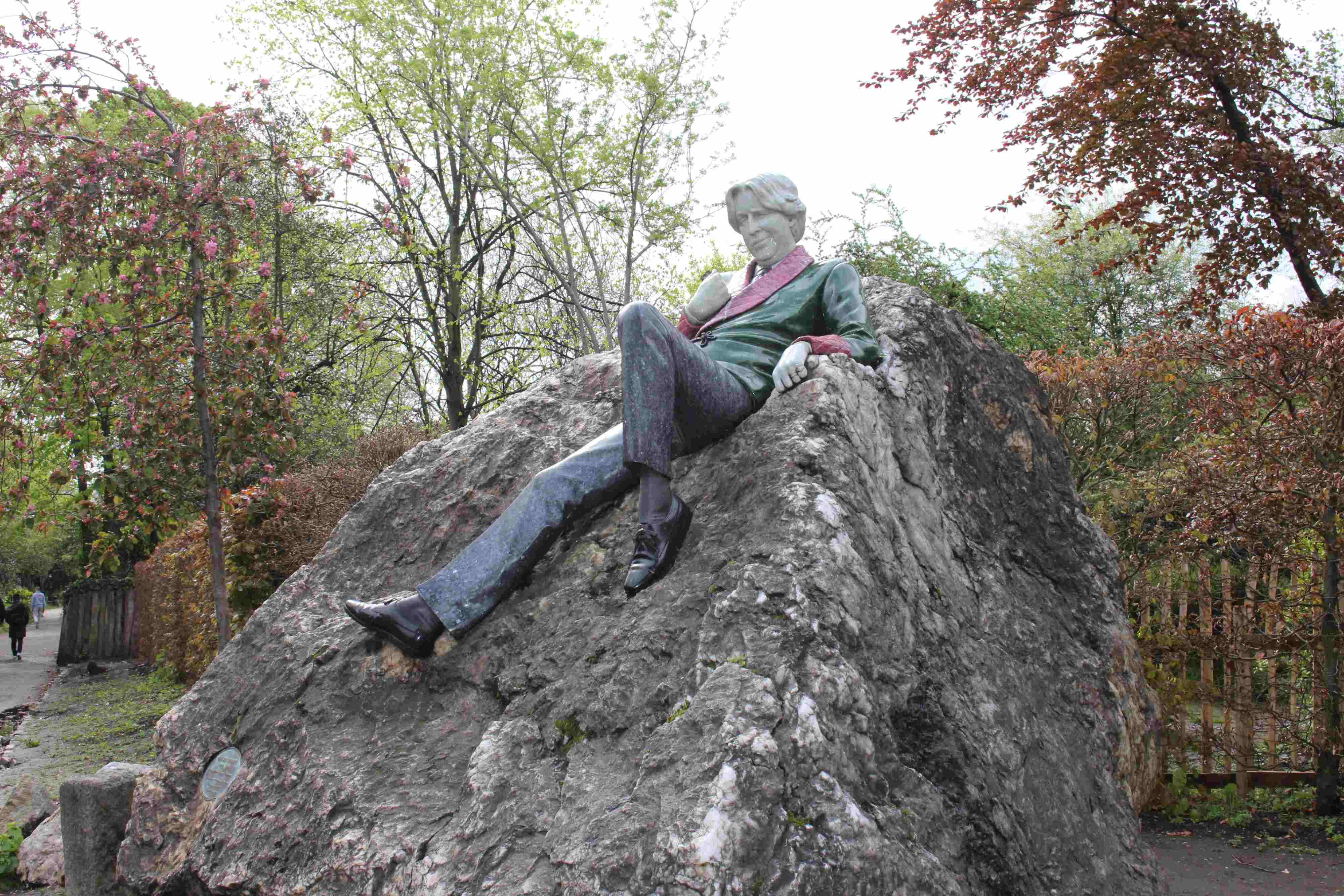
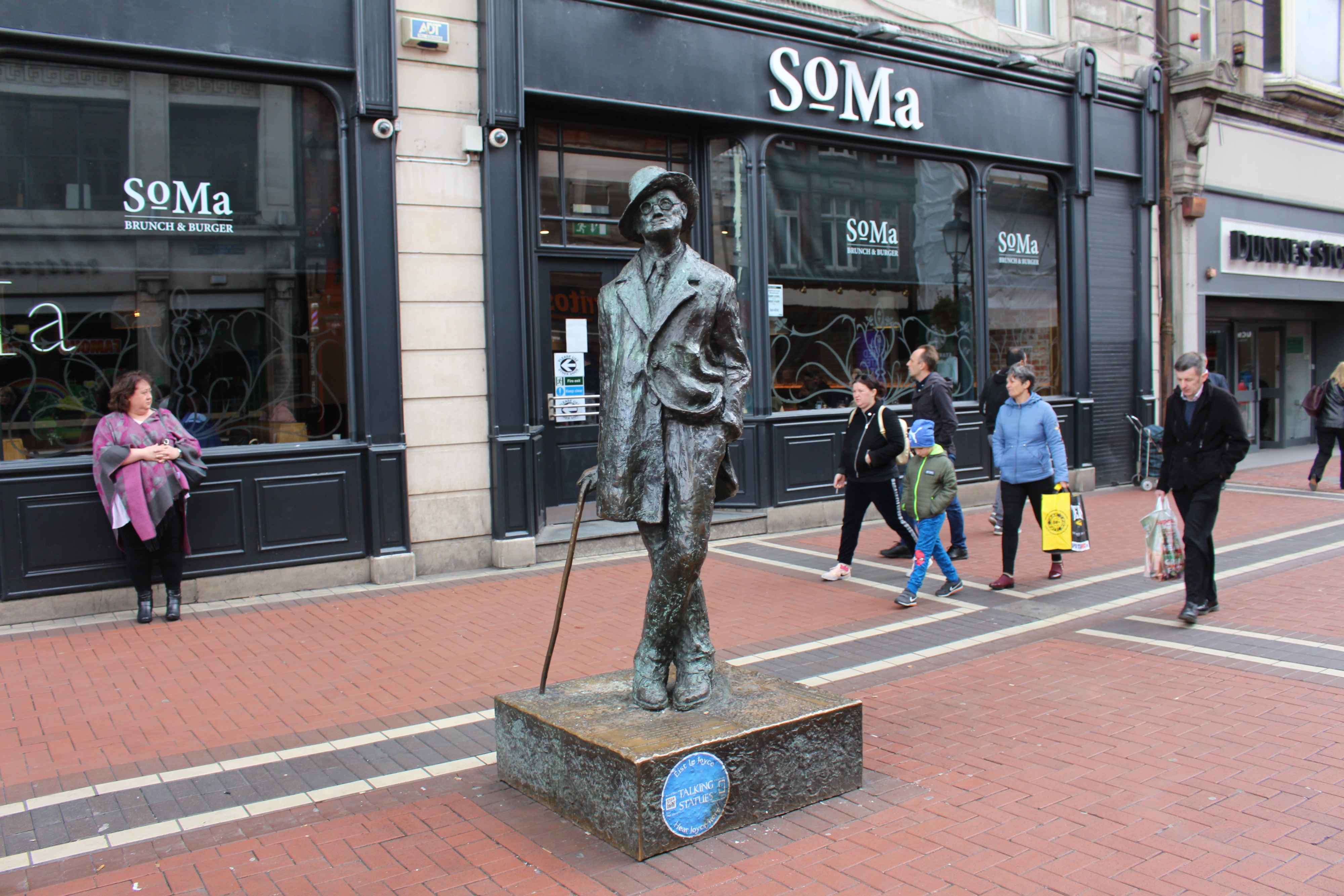
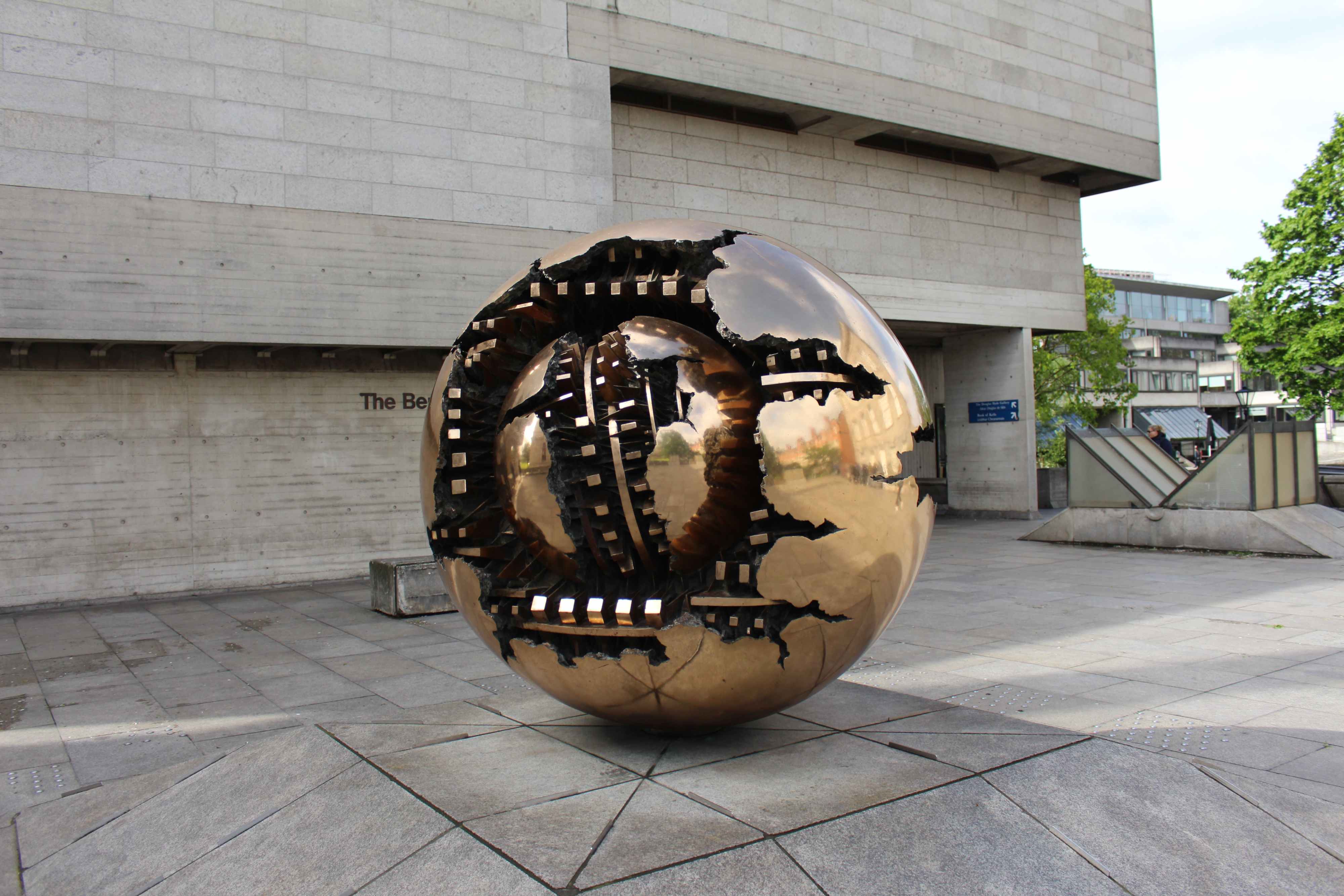
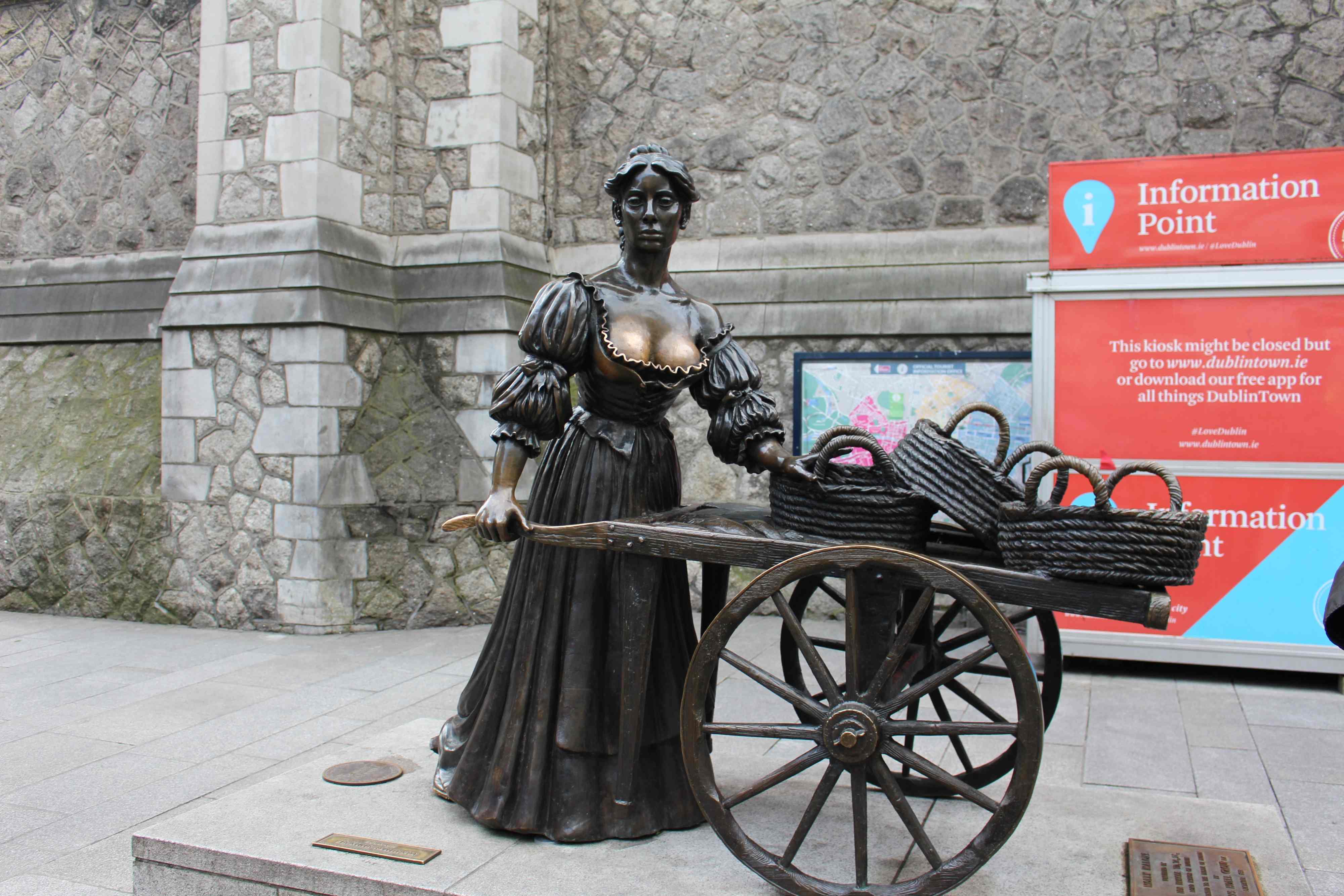
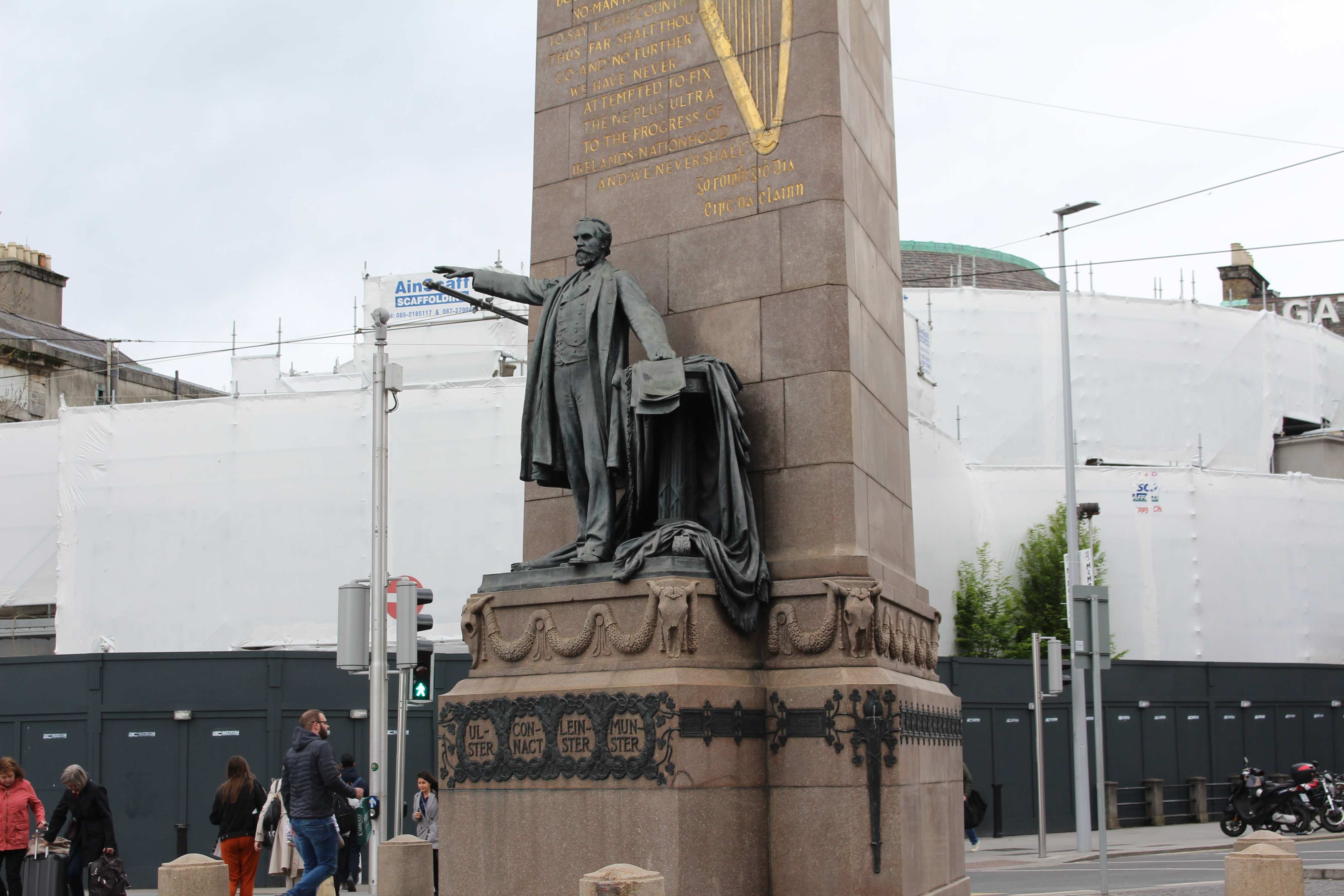
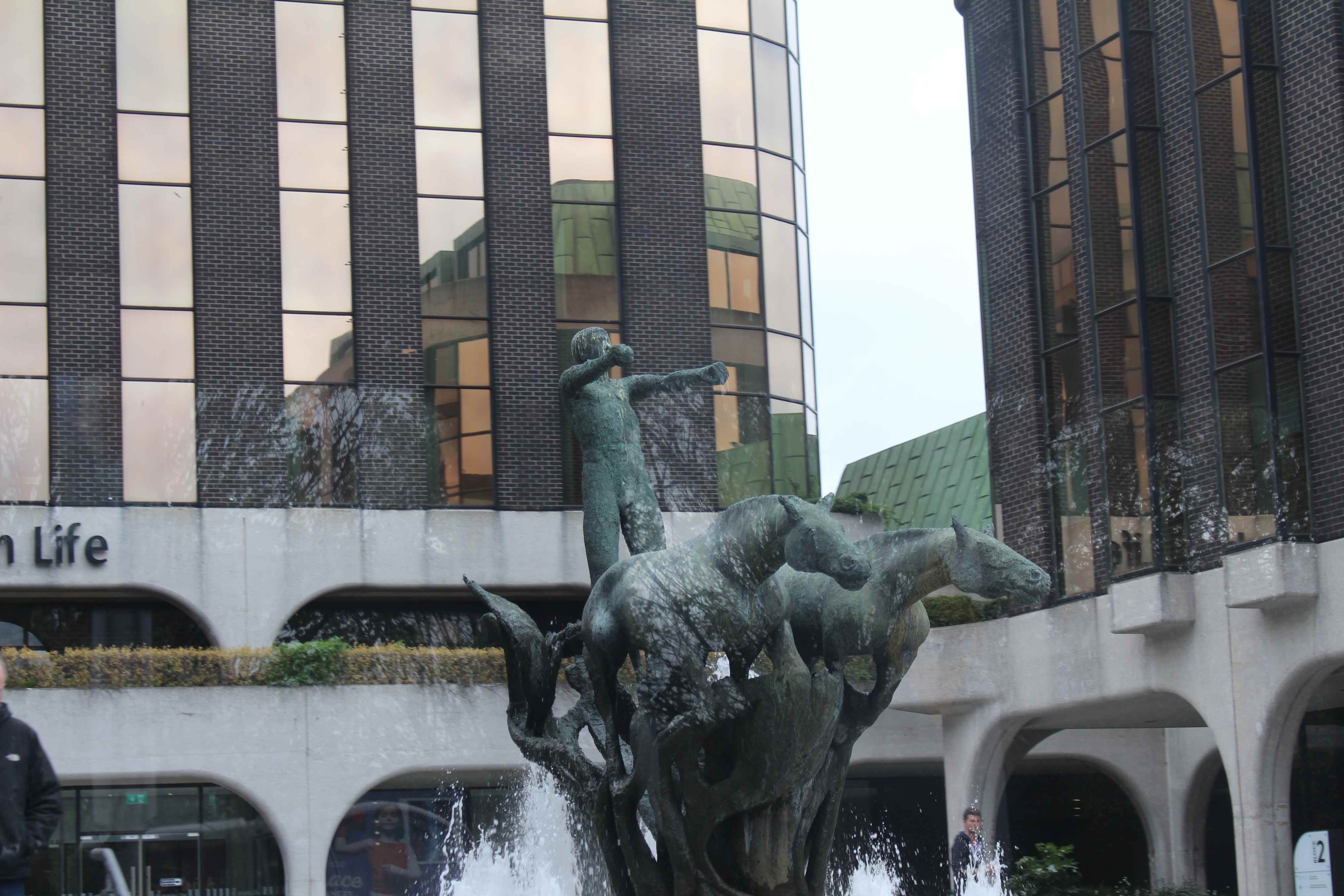
There are a total of 59 statues in Dublin – but of course we didn’t see them all. Here is our selection of those we found truly photo-worthy:
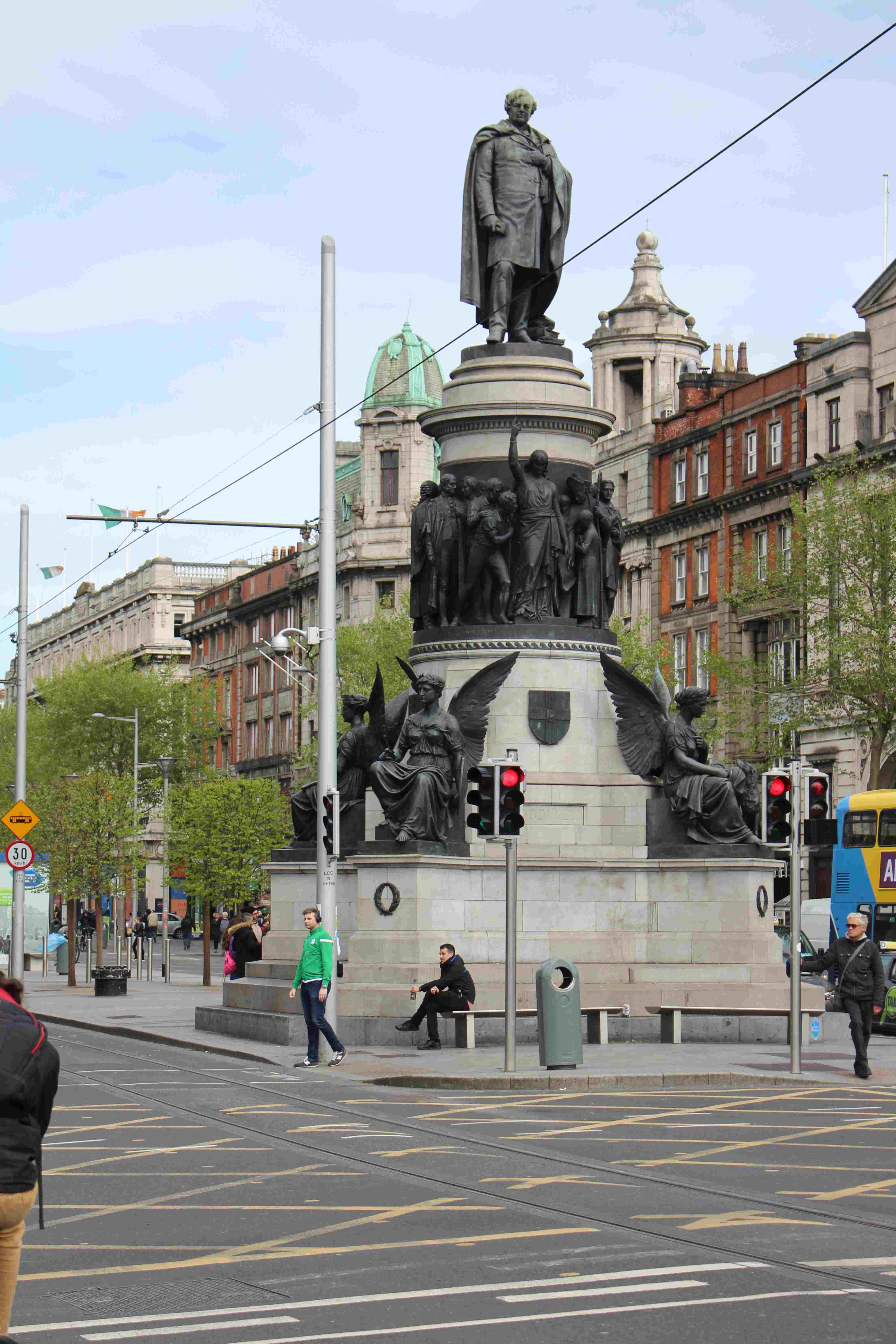
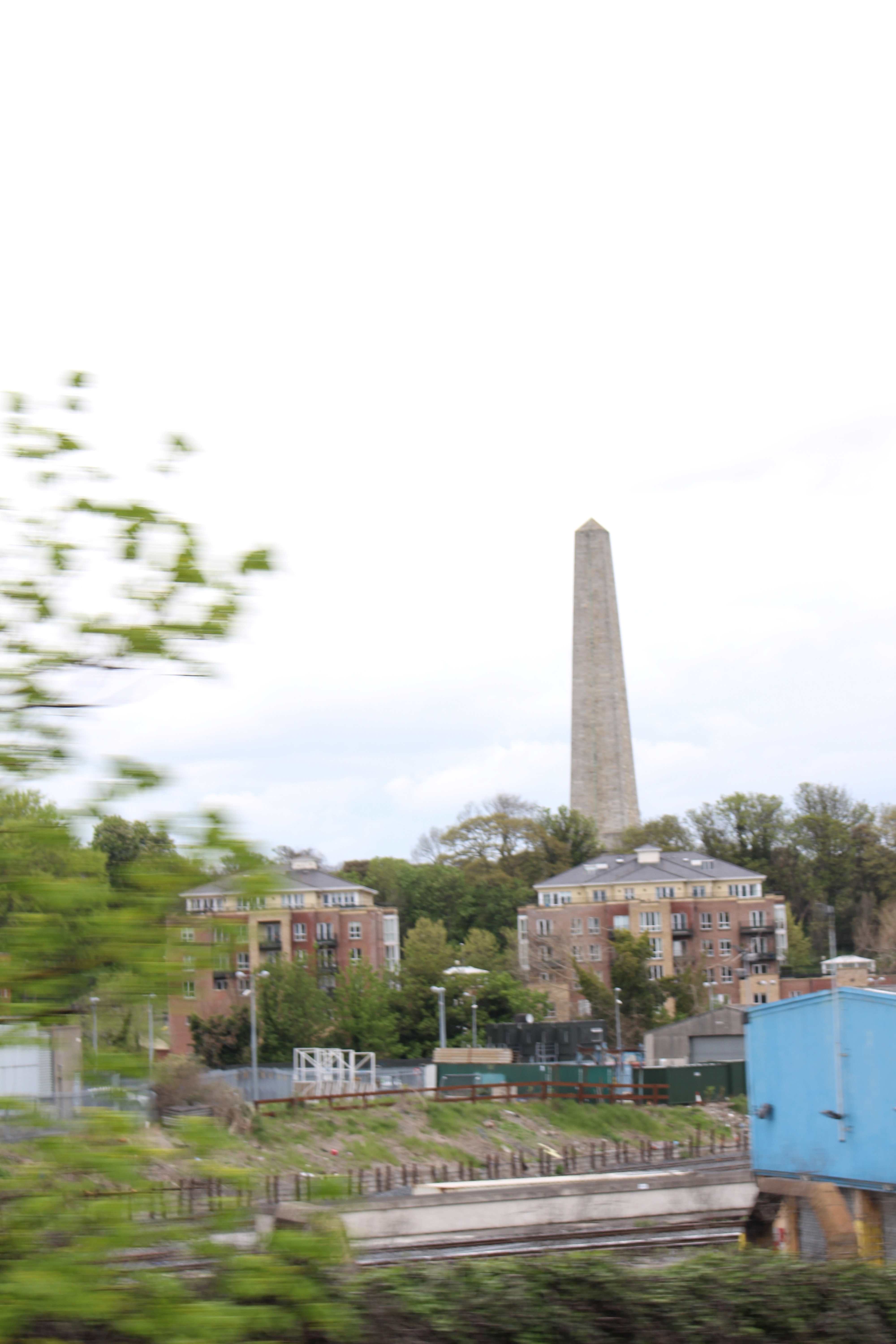
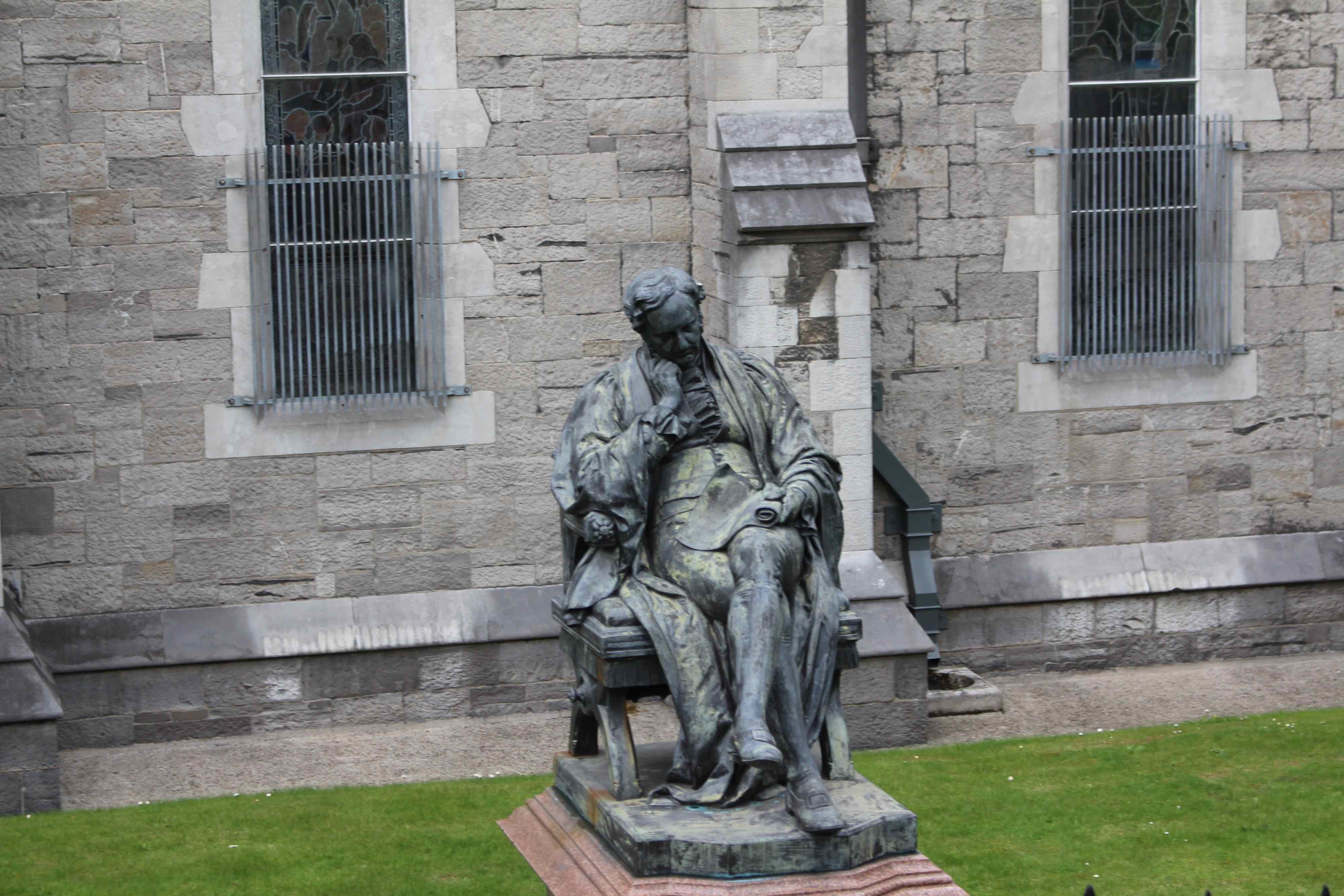
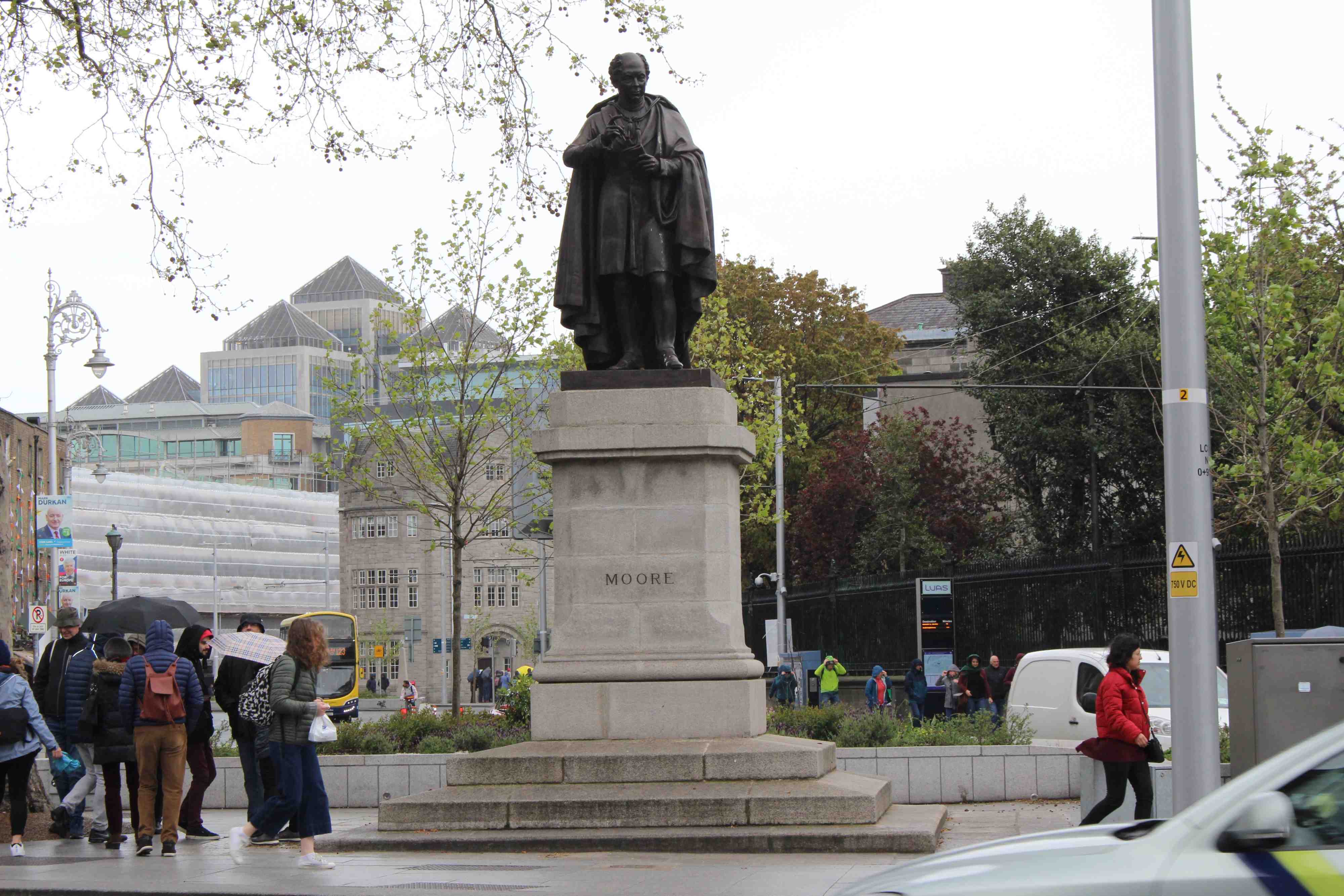
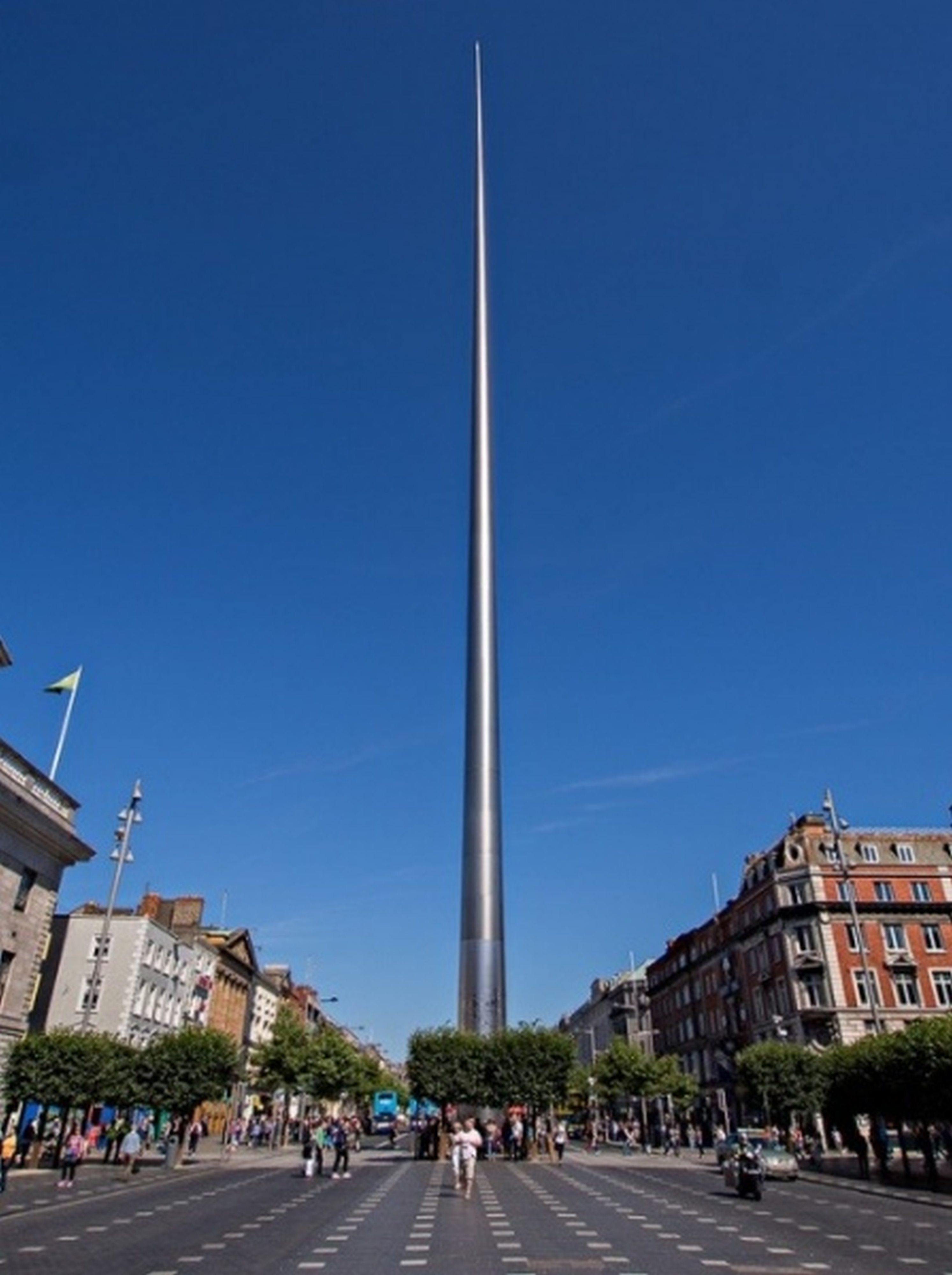
Originally planned for the millennium, the monument was not inaugurated until 2003 – three years late.
Construction costs totaled around €4 million.
The so-called "Funny Needle" initially met with indifference from Dubliners – partly because the "self-cleaning object" must be cleaned regularly at a six-figure expense.
Nicknames like "Spike", "Stiletto in the Ghetto" or "Stiffy by the Liffey" reflect Dublin’s typical humor.
Opinions differ on its height:
Mehr lesen
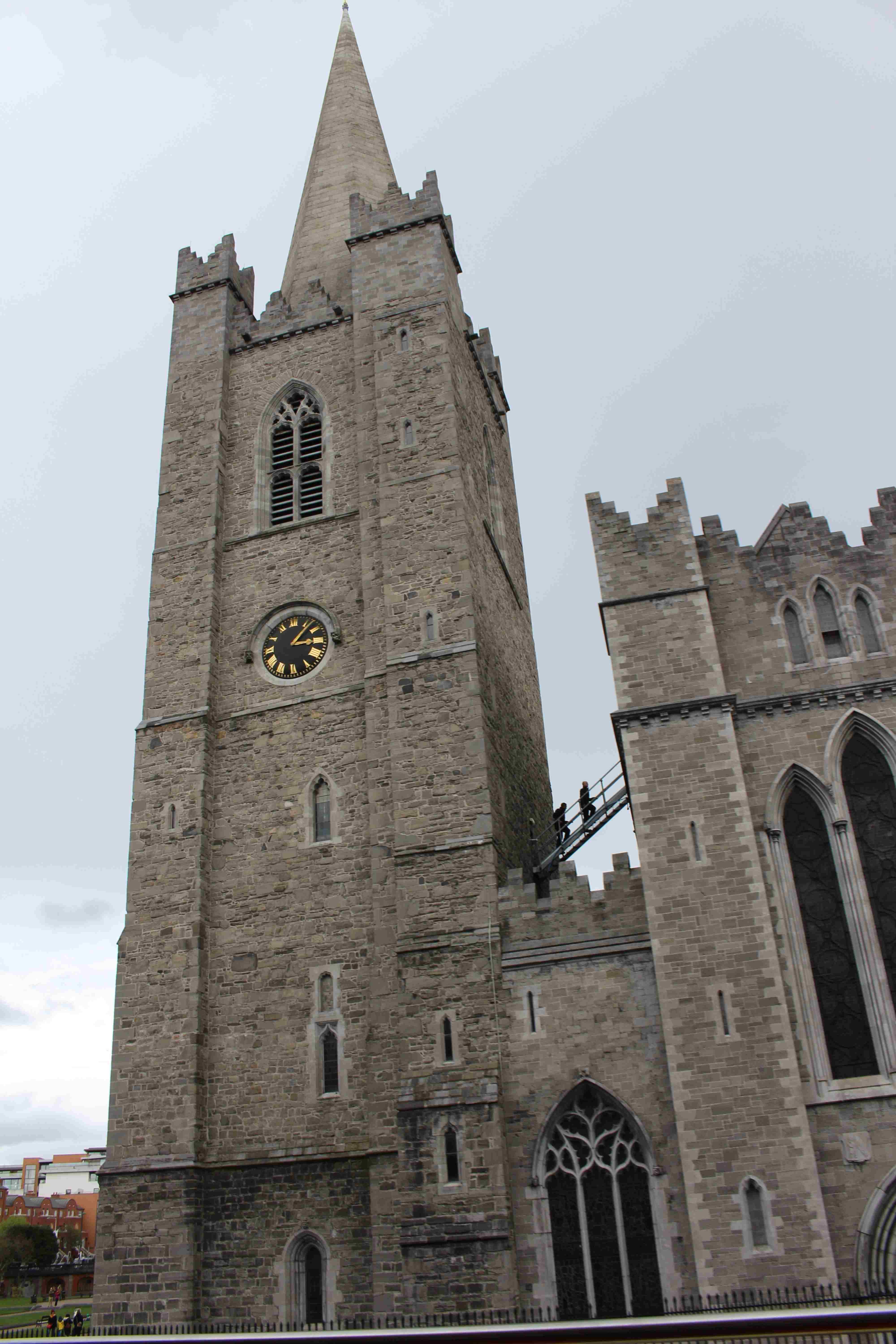 Mehr lesen
You might think you’re in the dining hall of one of the Harry Potter films – but this cinematic moment isn’t part of the library; rather, it creates an entirely different atmosphere. The setting inspired the director of Star Wars, who used it as a model for the Padawan School.
What’s particularly interesting is the way the books are arranged: they’re not sorted by genre or topic but by size. The large volumes sit on the lower shelves, while smaller ones always go on top. That way the overall weight is evenly distributed across the entire structure – a clever system when you consider there are over 250,000 books here.
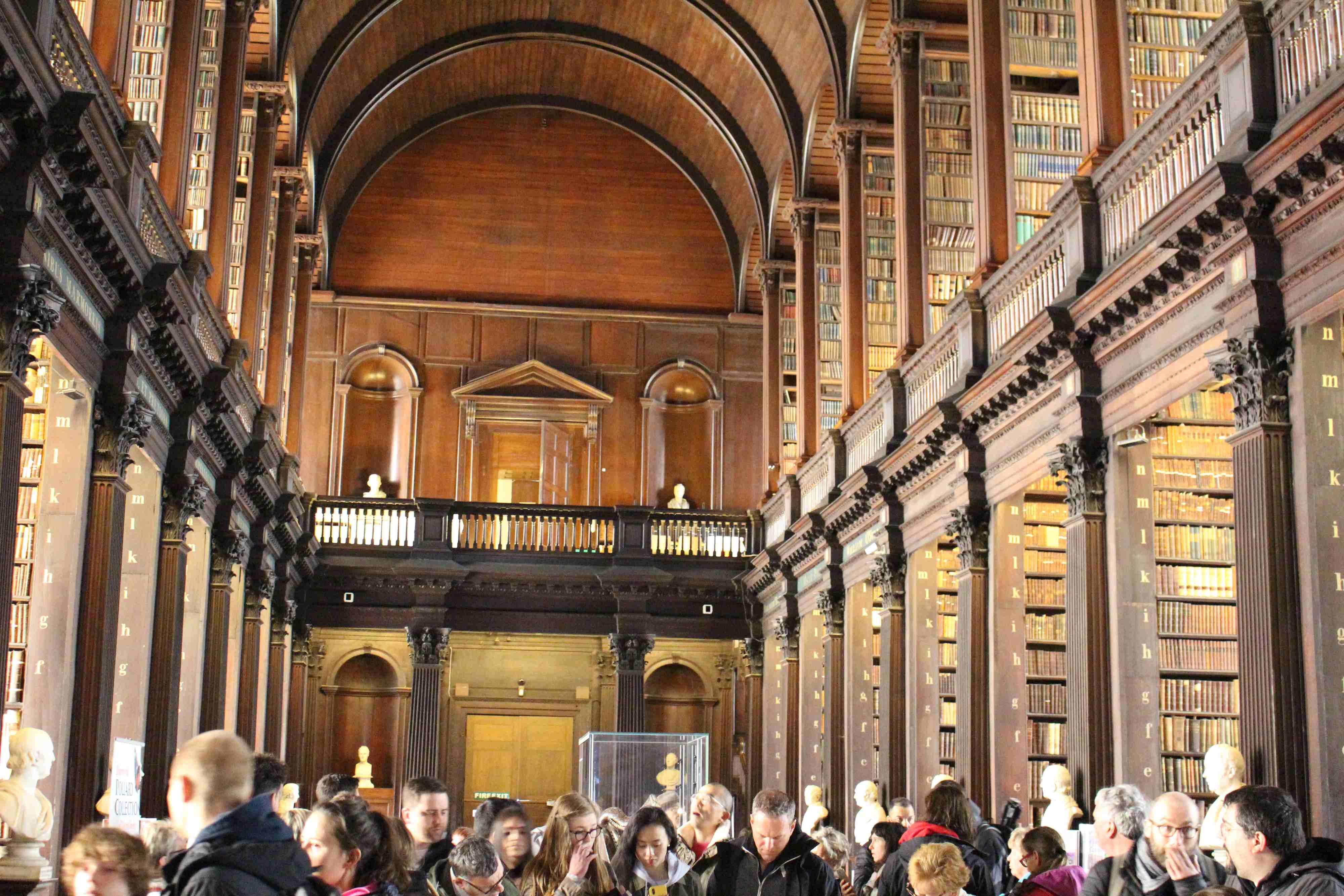
Trinity College’s modern library has a striking feature: it holds one copy of every book printed in Ireland or Great Britain. To date, the collection exceeds 500,000 volumes.
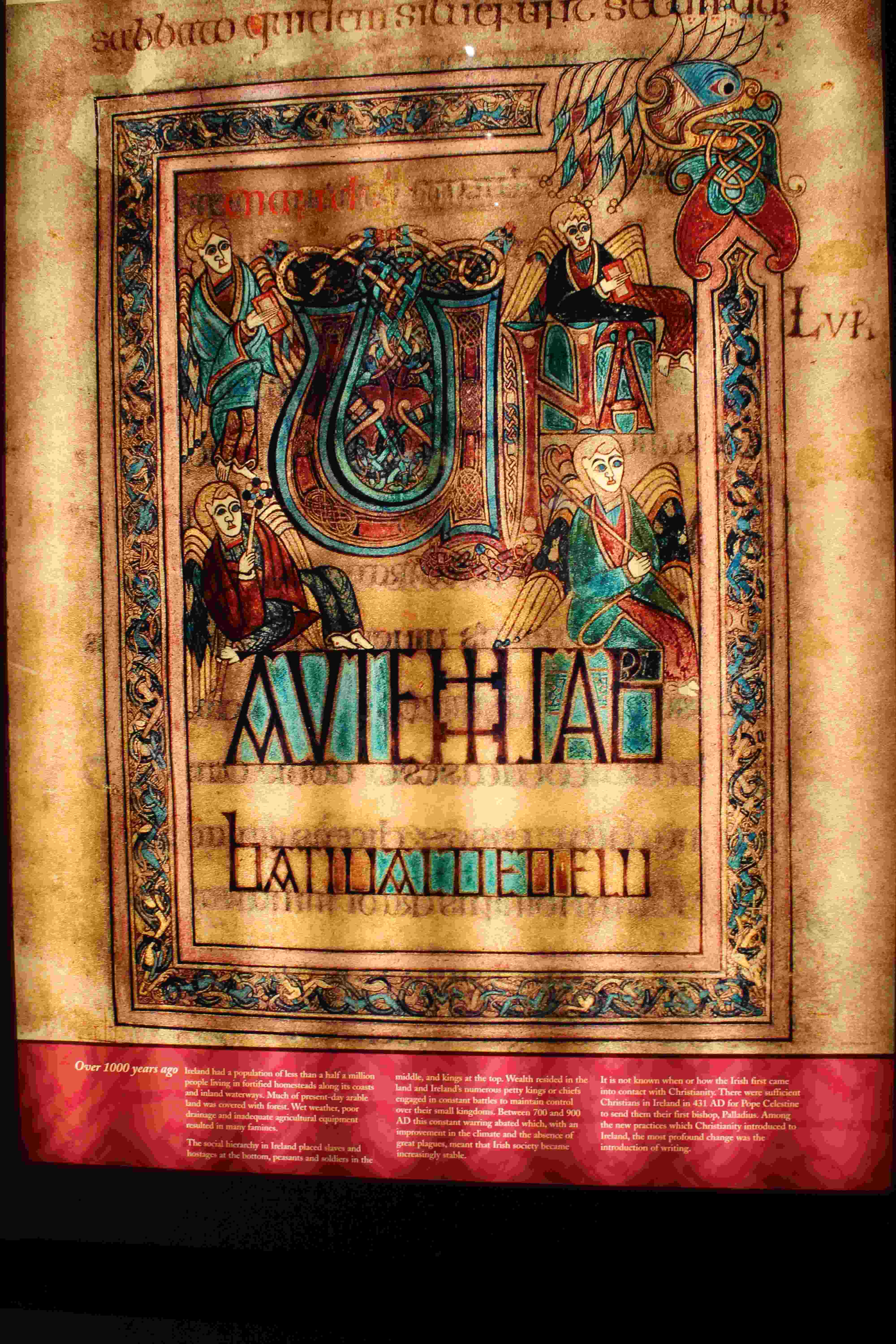
The Book of Kells was most likely created around the year 800 at the Iona monastery off Scotland’s west coast and brought to Ireland for safekeeping during the Viking raids. After passing through various private hands, it has been housed at Trinity College since the 17th century, where the original manuscript can still be admired. Two of its pages are turned daily and shown in a secure display case in the college library.
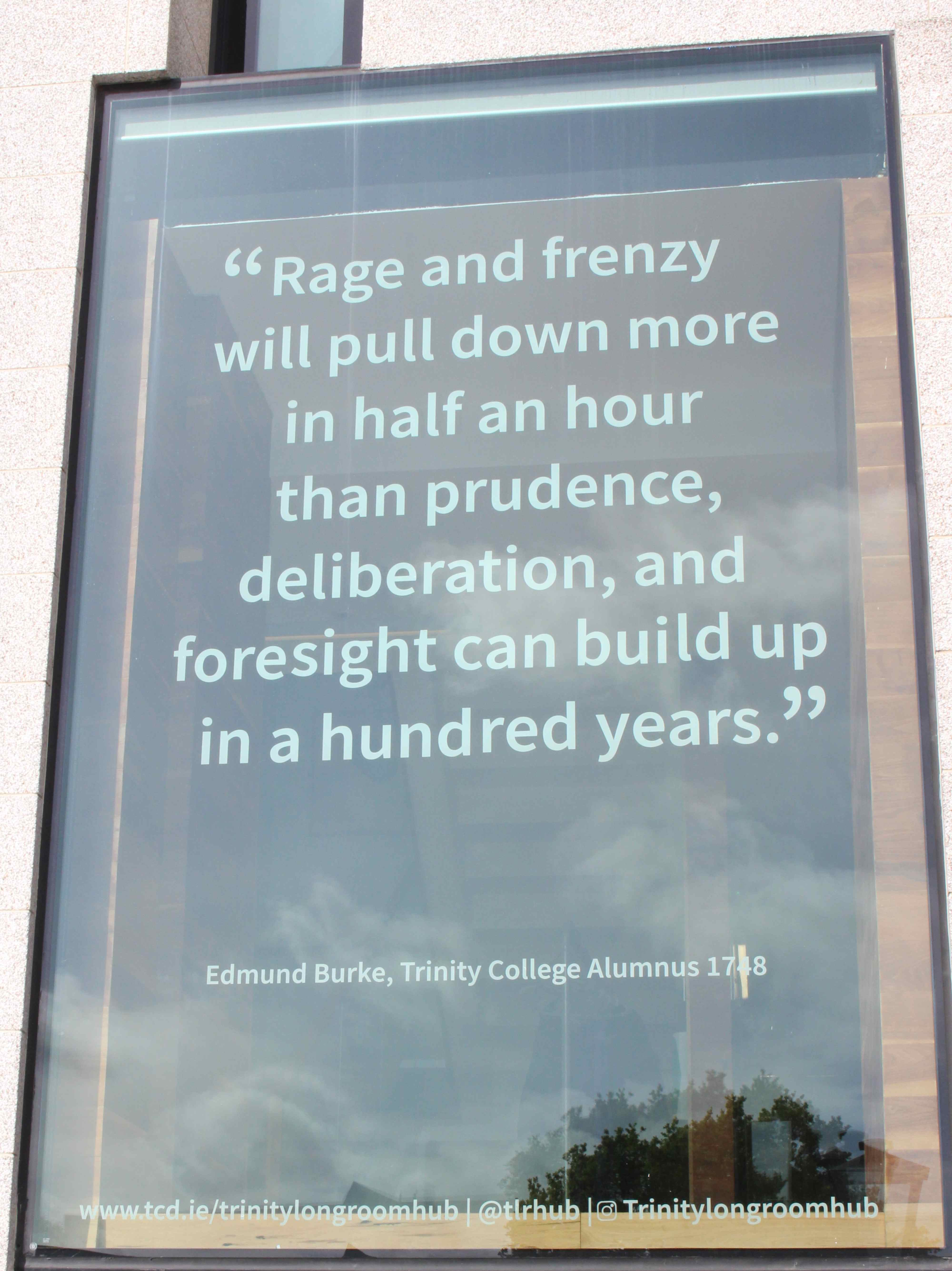
Quotation from 1748 by Edmund Burke
(Burke was an Anglo-Irish writer, statesman, and theorist of philosophical
aesthetics):
"Rage and frenzy will pull down more in half an hour than prudence,
deliberation, and foresight can build up in a hundred years."
 Mehr lesen
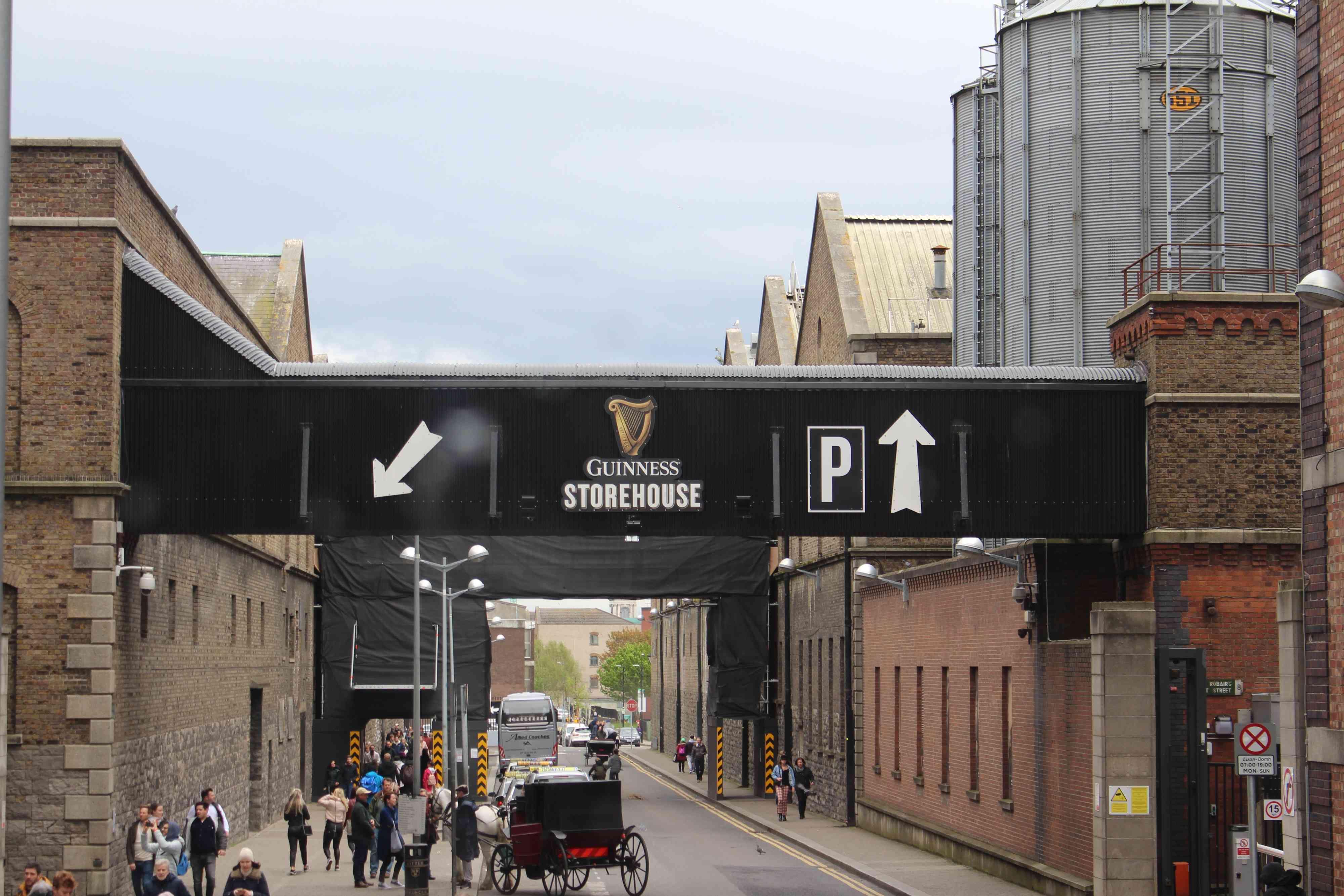
The owner of St. James's Gate Brewery required £100 as a deposit and £45 rent per month.
On December 31, 1759, Arthur managed to convince the owner that
sign a rental agreement for a maximum of 9,000 years.
Under these conditions, Guinness beer is still brewed in St. James Gate
and the company faithfully pays £45 rent every month.
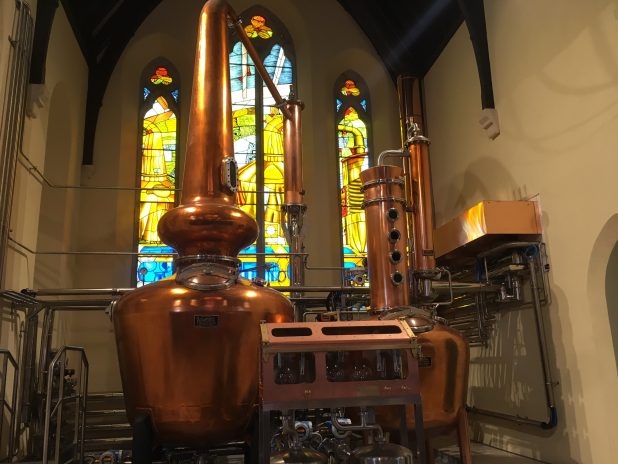
A distillery that produces its whiskey in a church (St. James' Church).
A still right in front of a church window... that's something you don't find everywhere!
The expression 'Holy Spirit' immediately takes on a different meaning...
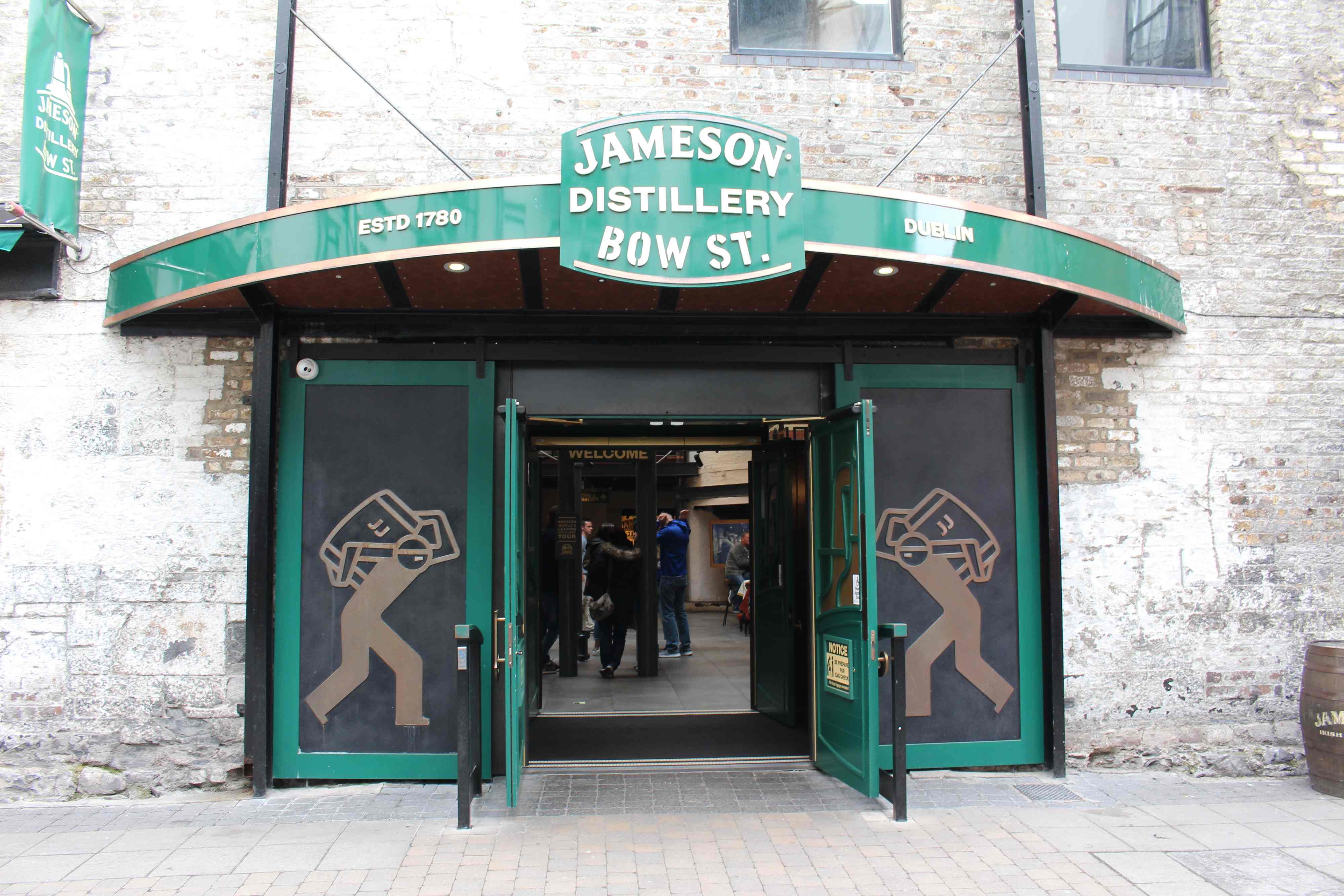
Jameson no longer produces his whiskey in Dublin.
The distillery only offers tastings and tours, which are warmly accepted by the young people.
In the reception room there are three large bars where you can pre- or after-drink.
But that was nothing for an old school whisky connoisseur -
Hipsters who spell whisky with an 'e' and make cocktails or other nonsense with it,
contorting themselves strangely to fit in the selfie, I quickly came to the conclusion that I could skip the tour.
Mehr lesen
Normally you gain weight on vacation — because almost everything is just too delicious. In Dublin, I actually lost a bit! Of course, that only happened thanks to an intense workout, mental exercises, and a balanced diet.
How does it work?
Breakfast – recharging your energy reserves:
You achieve mental relaxation by flashing the staff a friendly smile. They’ll smile back and even crack jokes.
Morning Workout:
Brisk marching to the various sights — with constant dodging to boost your coordination. Short sprints are essential to challenge body and mind. The best intervals come from following locals and dashing across on a red light. In the middle of the street you realize: a car, bus, or tram is hurtling toward you!
Result: You can run faster than you thought — and you’re wide awake afterward.
Lunch – recharging your energy reserves:
Rule of thumb: as much fried food as possible — Fish ’n’ Chips, chicken wings with chips, etc. Veggies only in small amounts, and only if they’re swimming in coconut milk (for example, in an Indian curry). Too much fresh produce overloads your system: absolutely no SALAD or FRUIT — the energy drainers must be avoided.
Allowed drinks: lager, red ale, Guinness — and a little water now and then is fine too.
Afternoon Workout:
Exactly the same as in the morning — just remember to look right when you dash on a red light again.
It’s written everywhere:

But don’t let it confuse you: try hovering over the picture with your mouse ;-)
Dinner – recovery:
More fried food with chips — and don’t forget the ketchup! Drink more beer to flush out your system, and have one or two whiskeys to let your digestive tract know no more solid food is coming.
Mental relaxation:
Talk only about the great moments of the day,
skip all unpleasant topics (“How much money do we even have left?”).
If unwanted thoughts persist, breathe deeply into your chakras… or just have a whiskey.
Ultimate tips to boost your mental balance and serotonin levels:
The husband speaks: un-fucking-believable! Heike actually enjoys her beer and whiskey?!?
Not that you get the wrong impression:
my dear Heike works on every text with me and completely corrects and edits everything!
Without her, these texts wouldn’t be what they are today!
The idea for the “diet” was a special inspiration from her — hence the odd headline “The Wife Speaks” ;-)
That was our trip to Dublin, which was far too short! As already described above, we will DEFINITELY go there again.
... and not much longer, then we go via Hanover and Soest to Bruges :-)
 de
de
 en
en
 "Arrival" einklappen